

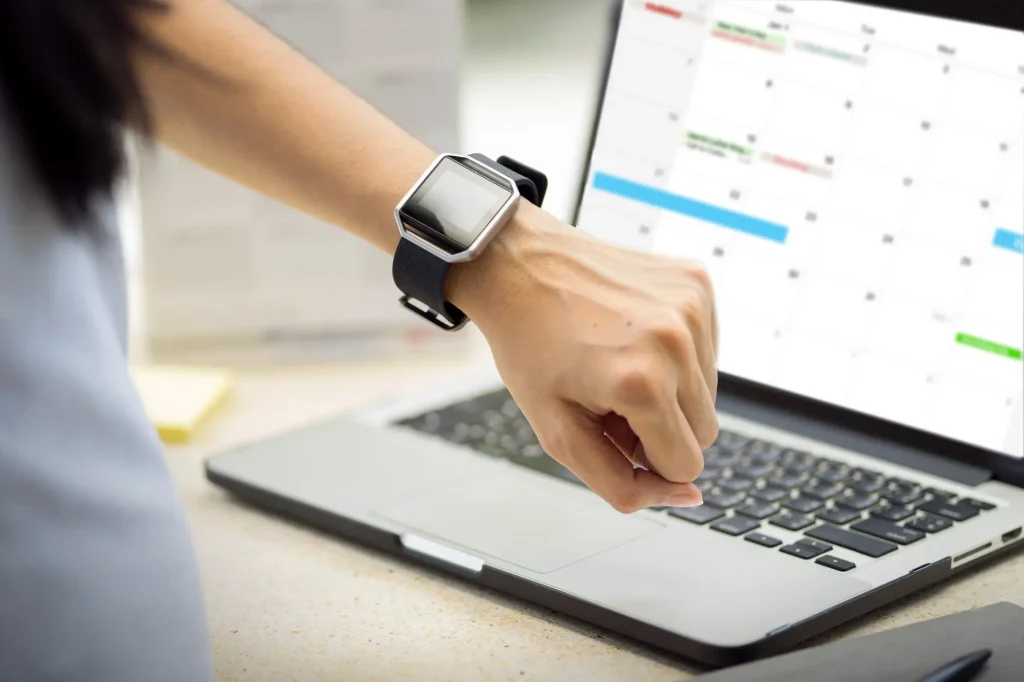
The functioning of a company depends largely on how time is organized: who is available, at what times, with which shifts, and under what conditions. For self-employed workers and SMEs, who typically work with small teams, each absence or planning change can have direct effects on production and customer service.
In recent years, work time management has been at the center of business modernization, driven by new regulations, the emergence of remote work, and the need to strengthen work-life balance. Digitalization has become a fundamental ally to ensure order, transparency, and legal certainty.
Why is it essential to have a clear time control and time management system?
1. More efficient internal organization
Having updated information on clock-ins, clock-outs, breaks, or shift changes allows for better planning and avoids unforeseen events. In an SME, where teams are small, this represents a decisive advantage for maintaining business continuity.
2. Greater rigor in regulatory compliance
The recording of working hours, rest periods, vacation planning, or leave management are regulated by different regulations. A clear and documented system avoids errors and allows for easy response to any inspection.
3. Equity and transparency
Applying uniform criteria across all areas is key to maintaining a good work environment. Digital tools ensure that absences, leaves, or accumulated hours are handled objectively, reducing the possibility of conflicts or feelings of unequal treatment.
4. Information for decision-making
Data derived from time control allows for better understanding of company operations: peak workload periods, tasks requiring more staff, or areas needing reinforcement. This information is essential for strategic planning and improving efficiency.
The most frequent challenges in small businesses
Many Galician SMEs face common problems in work time management:
- Dependence on manual documents and spreadsheets.
- Difficulty in having an updated and reliable record.
- Non-standardized processes for requesting and approving leaves.
- Lack of communication between areas or managers.
- Absence of traceability in absences or incidents.
These obstacles translate into administrative errors, delays, improvisations, and even avoidable labor conflicts.
Digitalization as a solution: more agile and secure systems
Technology makes it possible to transform a complex process into a clear and automated workflow. The main advantages of digitalization in this area are:
1. Time recording accessible from anywhere
Staff can record their working hours from mobile devices, computers, or physical time clock stations. This is especially useful for SMEs with hybrid teams, traveling staff, or remote work.
2. Leave request and approval in a few steps
A process that previously involved emails, phone calls, or documents can be resolved automatically with a system that collects, records, and confirms requests.
3. Digital calendars to anticipate needs
Managers can visualize planned absences, vacations, and periods of higher activity, improving anticipation and avoiding overlaps.
4. Safe storage and preservation of information
All documentation is recorded with reliable dates, times, and annotations, which provides legal certainty and helps comply with labor regulations and data protection.
A more human management model focused on well-being
Proper time organization has a direct impact on work-life balance. It helps avoid overloads, improves work-life balance, and generates a more orderly and predictable environment. Companies that manage time clearly and transparently tend to show higher levels of motivation and commitment.
In a context where absenteeism is increasing and where new generations value flexibility, having a reliable system not only facilitates daily operations but also contributes to building healthier and more sustainable companies in the long term.
A step forward towards professionalization of labor management
Modernizing the way schedules, absences, and leaves are managed is not merely a technical formality. It means moving towards a more professional, balanced, and sustainable model. For Galician SMEs and self-employed workers, it represents an opportunity to strengthen their competitiveness and adapt to the challenges of an increasingly complex labor market.
Time management is, ultimately, a strategic tool that allows for improved productivity, strengthened well-being, and the building of labor relations based on trust and transparency. Investing in digitalization in this area means investing in the company’s future and its ability to continue growing in a constantly transforming environment.
Having personalized support, such as that from the Economic Office of Galicia, can make a difference in implementation success. Request free specialized advice and use the available resources to boost your company.


