

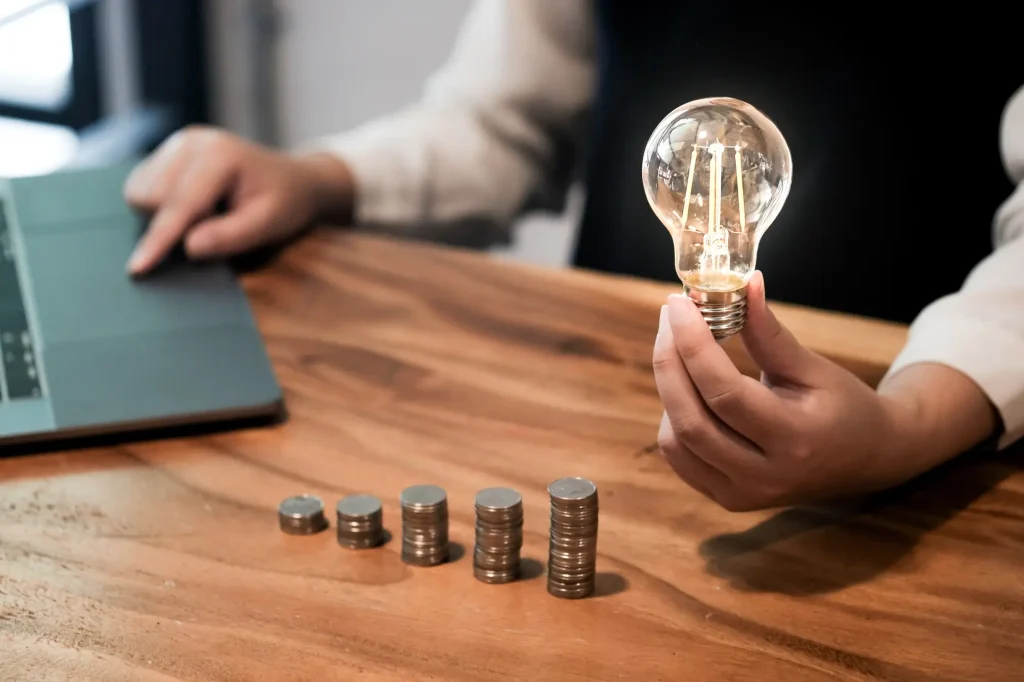
The key is not always to consume less, but to consume better. Energy flexibility is emerging as one of the great opportunities for SMEs looking to optimize costs and adapt to an increasingly dynamic electricity system.
The usual trend is for companies to limit control of energy spending to reducing consumption or improving equipment efficiency. However, the current energy model is changing rapidly, opening up new avenues in which companies can play a more active role.
One of these is energy flexibility, a concept that will carry increasing weight in the coming years.
What is energy flexibility?
Energy flexibility consists of a company’s ability to adapt its electricity consumption depending on the time, shifting energy use to cheaper time slots or reducing demand at times of greater strain on the grid.
In simple terms, it means consuming when it’s cheaper… or when the system needs it.
Why will it be key in the coming years?
With the growth of renewable energies, especially solar and wind, electricity production is no longer constant. There are times of energy surplus and others of greater scarcity.
This causes prices to vary more throughout the day, encourages consumption at certain hours, and rewards companies that can adapt.
In this context, flexibility stops being an option and becomes a competitive advantage.
How can an SME apply it?
Although it may seem complex, there are simple actions that already make it possible to introduce flexibility, such as scheduling machinery for hours with lower electricity costs, adapting production processes to more efficient time slots, using consumption control or automation systems, or integrating batteries or storage systems.
For example, a small factory can concentrate part of its production during hours with lower prices, while a business with high electricity consumption can reorganize tasks to avoid demand peaks.
Not just savings, but also revenue opportunities
One of the lesser-known aspects is that energy flexibility can generate revenue.
There are mechanisms by which companies can reduce consumption at critical moments, offer that capacity to the electricity system, and receive financial compensation for it; this type of participation, known as demand response, will become increasingly accessible to SMEs as well, as energy markets evolve.
What benefits does it bring?
Adopting a flexibility strategy makes it possible to:
- Reduce the electricity bill
- Improve consumption control
- Increase resilience to price changes
- Take part in a more sustainable energy model
And, above all, it transforms the company’s relationship with energy: from being a fixed cost to becoming a strategic element that can be managed.
Where to start
To get started, it is advisable to:
- Analyze the company’s consumption patterns
- Identify processes that can be shifted in time
- Assess control and monitoring technologies
- Seek specialized advice
Small changes can generate a significant impact in the medium term.
Energy flexibility represents a new way of understanding electricity consumption in companies. In a scenario marked by variability and the transition toward renewables, adapting is no longer just an option, but an opportunity to save, gain efficiency, and even generate new revenue.
Having personalized support, such as that offered by the Galicia Economic Office, can be key to a successful implementation. Request free specialized advice and take advantage of the resources available to boost your business.


